Chat with iTEK
iTEK Assistant

How to Choose the Right Marketing Strategy for Your Business

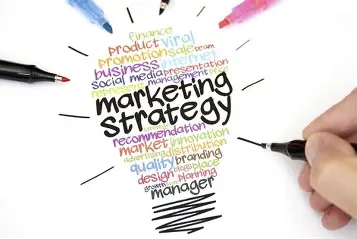
Choosing the right marketing strategy is essential for businesses that want to reach the right audience and achieve measurable growth. With so many digital channels available, selecting the most effective approach can significantly impact success.

By evaluating business goals, target audiences, and available resources, companies can develop strategies that deliver meaningful results and sustainable growth.

Understanding Your Target Audience

A successful marketing strategy begins with understanding the needs, preferences, and behaviors of your target audience. Businesses must identify who their ideal customers are and what channels they use to interact online.

This knowledge allows companies to create tailored campaigns that resonate with potential clients and increase engagement.

Defining Clear Business Goals

Marketing strategies should align with specific business objectives, such as increasing sales, improving brand awareness, or generating leads. Without clear goals, campaigns may lack direction and fail to produce results.

By establishing measurable goals, businesses can track progress and make informed adjustments to their strategies.

Evaluating Available Marketing Channels

Different marketing channels serve different purposes. Social media platforms, email campaigns, search engine optimization, and paid advertising each offer unique advantages.

Businesses should evaluate which channels best align with their target audience and goals to maximize impact and return on investment.

Balancing Budget and Resources

Effective marketing requires careful allocation of budget and resources. Businesses must consider how much they can invest in campaigns and ensure they have the tools and personnel to execute strategies successfully.

Proper planning ensures campaigns are sustainable and produce measurable results over time.

Testing and Analyzing Campaigns

Before fully committing to a strategy, businesses should test different approaches and monitor performance. Analyzing results allows companies to refine campaigns, improve messaging, and optimize for better outcomes.

This iterative approach ensures that marketing efforts are both efficient and effective.

Focusing on Consistency and Quality

Consistent messaging across all channels helps reinforce brand identity and build trust with audiences. High quality content and targeted campaigns are more likely to engage customers and drive conversions.

Businesses that maintain consistency and quality in their marketing approach will see stronger long term results.

Preparing for Long Term Growth

Marketing strategies should be adaptable to changing market trends and customer behaviors. Businesses that plan for future growth can scale campaigns and maintain relevance in a competitive landscape.

A well designed marketing strategy ensures businesses remain visible, competitive, and positioned for long term success.

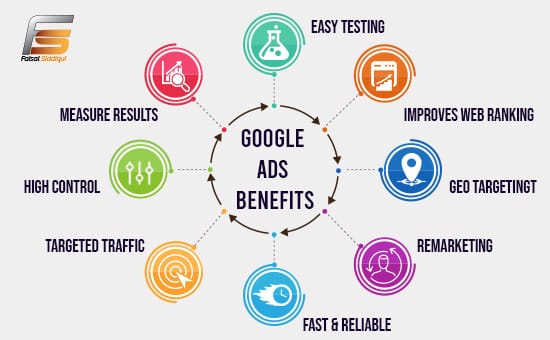
Benefits of Google Ads for Small and Medium Businesses

Google Ads helps businesses reach potential customers quickly through targeted online advertising and measurable campaign results.

Common Digital Marketing Mistakes Businesses Should Avoid

Avoid common digital marketing mistakes that can harm your online growth and learn how to improve your marketing strategy.

How Social Media Marketing Helps Your Brand Grow Online

Learn how social media marketing can increase brand awareness, improve engagement, and help businesses reach new audiences.